


E-Space
Sorbonne University Abu Dhabi

Menu

Apply Now

Bachelor in Physics – Concentration in Quantum Technologies

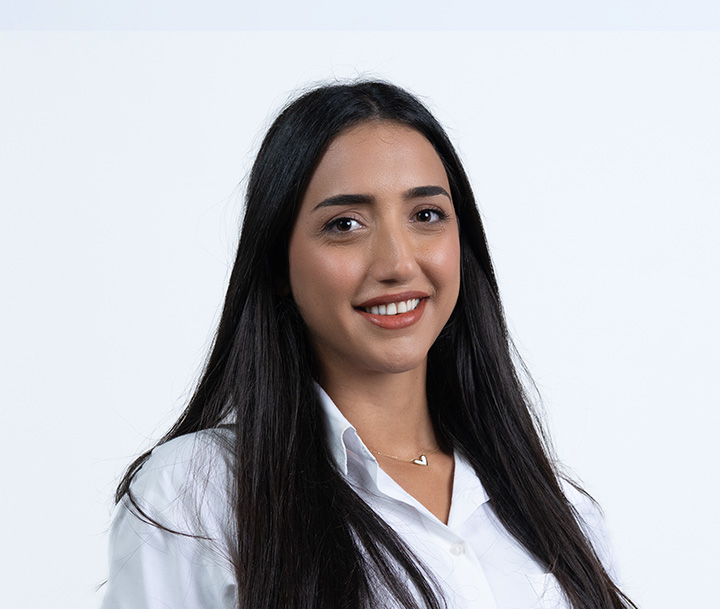
Programme Chair

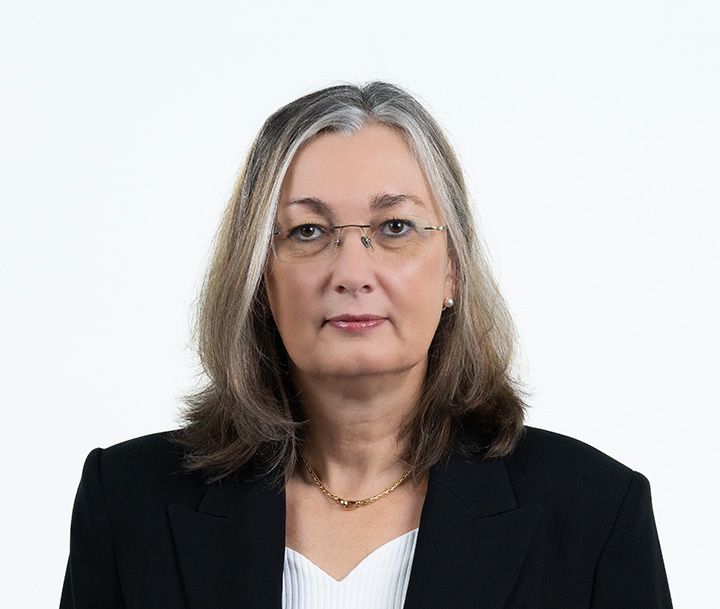
Dr. Valerie Le Guyon

Dr. Valerie Le Guyon

Head of Sciences and Engineering Department & Associate Professor
Sorbonne University Abu Dhabi Programme duration

3 years

Sorbonne University Abu Dhabi Delivery Language

English

Sorbonne University Abu Dhabi Deadline to apply

21 - 08 - 2026

Sorbonne University Abu Dhabi Tuition fees

AED 215,100 (over 3 years, including admin fees)

Sorbonne University Abu Dhabi Accreditation

The curriculum follows the European ECTS system, and the degree is awarded by Sorbonne Université. This programme is accredited by the UAE Commission for Academic Accreditation.

Bachelor in Physics – Concentration in Quantum Technologies

Certificate in Quantum Technologies, awarded by Sorbonne Université.

The Bachelor in Physics, Concentration in Quantum Technologies is a degree awarded by Sorbonne Université and delivered by world-class academics at Sorbonne University Abu Dhabi. A specialisation certificate in Quantum Technologies will also be awarded to students by Sorbonne Université upon programme completion.

It is a three-year international undergraduate programme taught in English. Its goal is to provide a robust background in Physics, with emphasis in the expertise required in Quantum Technologies, preparing graduates for the ground-breaking and global challenges of these emerging fields.

Quantum Computers, Quantum Simulation, Quantum Information, and Quantum Sensing, along with their associated protocols, are all based on an entirely novel hardware. These rapidly evolving technologies will shape the future of science, industry, and everyday life. Based on intrinsic properties of Quantum Mechanics, such as superposition, entanglement and unclonability, these systems are expected to address the most complex of problems which cannot be dealt with conventional computers.

Quantum Simulation will pave the way to extremely efficient modelling of many-body problems faced in science (quantum, atomic and molecular systems), finance (banking and investment models), medicine (drug design, development of medical instruments), environment (climate change and weather forecast), and many other sectors.

Furthermore, Quantum Information processes lead to profoundly fast processing, storage, and transmission of information while offering completely secure protocols due to Quantum Cryptography.

The ultimate goal of this programme is to provide its graduates with a thorough literacy in Physics and especially in Quantum Mechanics and Quantum Information. This expertise establishes an invaluable arsenal towards the deep understanding of the phenomena behind these emerging Quantum Technologies. The hands-on experience, independent projects, and a solid grasp of programming, prepare them to enter the workforce right after graduation, while also being equipped with a solid scientific background, allowing them to pursue graduate studies at prestigious universities worldwide.

Students will follow a programme carefully designed in close collaboration with the Quantum Information Centre Sorbonne (QICS) in Paris, which involves the study of a wide range of fundamental Physics, with special emphasis in Quantum Mechanics, Mathematics, Data Science and Computer Science courses. The programme further covers studies on Information Theory, and Quantum Information, moulding the students into becoming future leaders in the various fields of Quantum Technologies.

Graduates of this programme will earn a Bachelor’s degree in Physics from Sorbonne Université (France) as well as a Certificate in Quantum Technologies from the same institution.

The curriculum follows the European ECTS system. 
    • Mechanics-Physics I
    • Geometric Optics
    • Mechanics-Physics II
    • Introduction to Electronics
    • Mathematics I and Mathematics II
    • Computer Science
    • Active Science
    • Chemistry
    • Introduction into the World of Work I
    • Languages 

    • Thermodynamics
    • Modern Physics
    • Experimental Physics I
    • Waves
    • Electromagnetism
    • Special Relativity and Advanced Mechanics
    • Numerical Physics
    • Experimental Physics II
    • Mathematics for Physics I, II and III
    • Languages 

    • Quantum Physics I
    • Optics and Electromagnetism
    • Experimental Physics III
    • Spectroscopy
    • Quantum Physics II
    • Thermostatistics
    • Experimental and Numerical Physics
    • Astrophysics
    • Quantum Information
    • Mathematics for Physics IV
    • Introduction to the World of Work II
    • Internship
    • Languages 

Bachelor in Physics – Concentration in Quantum Technologies

The following are the minimum criteria required to apply for direct entry to the programme:  


  • Minimum average of 12 out of 20 for French general baccalaureate or equivalent for the francophone curriculum.


  • Ministry of Education curriculum: Minimum average of 75% for the Advanced stream


  • Other high school systems: High school certificate equivalent to the UAE Ministry of Education high school with minimum average of 80% or equivalent.


  • Students who hold regional or international Mathematics Olympiad awards will be taken into consideration based on their achievements


  • Languages requirements

  •  Ministry of Education curriculum: Minimum score of 80% in English subject in High school
  •  For curriculums studied in English Language: No English requirement needed
  •  For other curriculums: Valid academic IELTS certificate with minimum overall band of 5.5 with a validity of 2 years or TOEFL score of 530, IBT TOEFL certificate with minimum score of 71, CBT TOEFL of 197 with a validity of 2 years or equivalent (can be applicable for national curriculum).


  • Mathematics competencies

  •   For French Baccalaureate applicants: A minimum score of 12 out of 20 in the specialty “Mathematique Spéciales” and/or the specialty “Mathematiques expertes”

or Passing SUAD Admission test for L1

or SAT Mathematics with score at or above 750


  • Other high school systems

Minimum score of 80% in Mathematics subject in other High school systems, and having one of the below conditions:

- SUAD Admission test for L1

- or SAT Mathematics with score at or above 750


  • Competencies in one other Science subject (Physics, Chemistry, Biology – including SVT)

Subject studied in school with minimum 12 out of 20 in Grade 10, 11 or 12 (for holders of French Baccalaureate) or with a minimum score of 80% in Grade 10, 11 or 12, for holders of other HS Diplomas.


Other Countries’ Education Systems 

Conditions apply to other foreign curricula in accordance with the admission policy set by Sorbonne University Abu Dhabi. For further information, please contact the Student Recruitment Office at admissions@sorbonne.ae.


Sorbonne University Abu Dhabi is committed to considering applications from all students regardless of their country of origin, income, gender, religion or physical condition.  

Bachelor in Physics – Concentration in Quantum Technologies


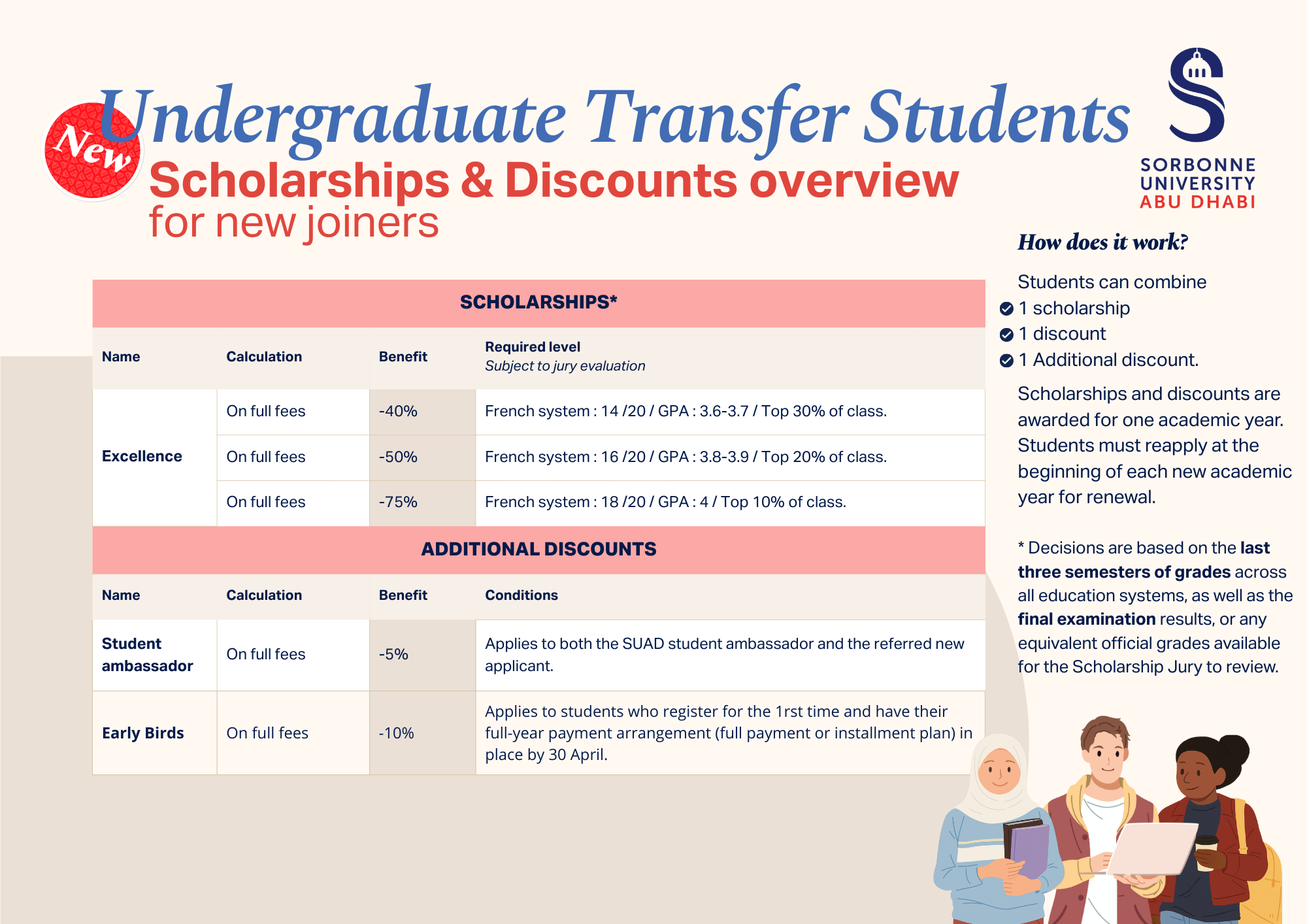
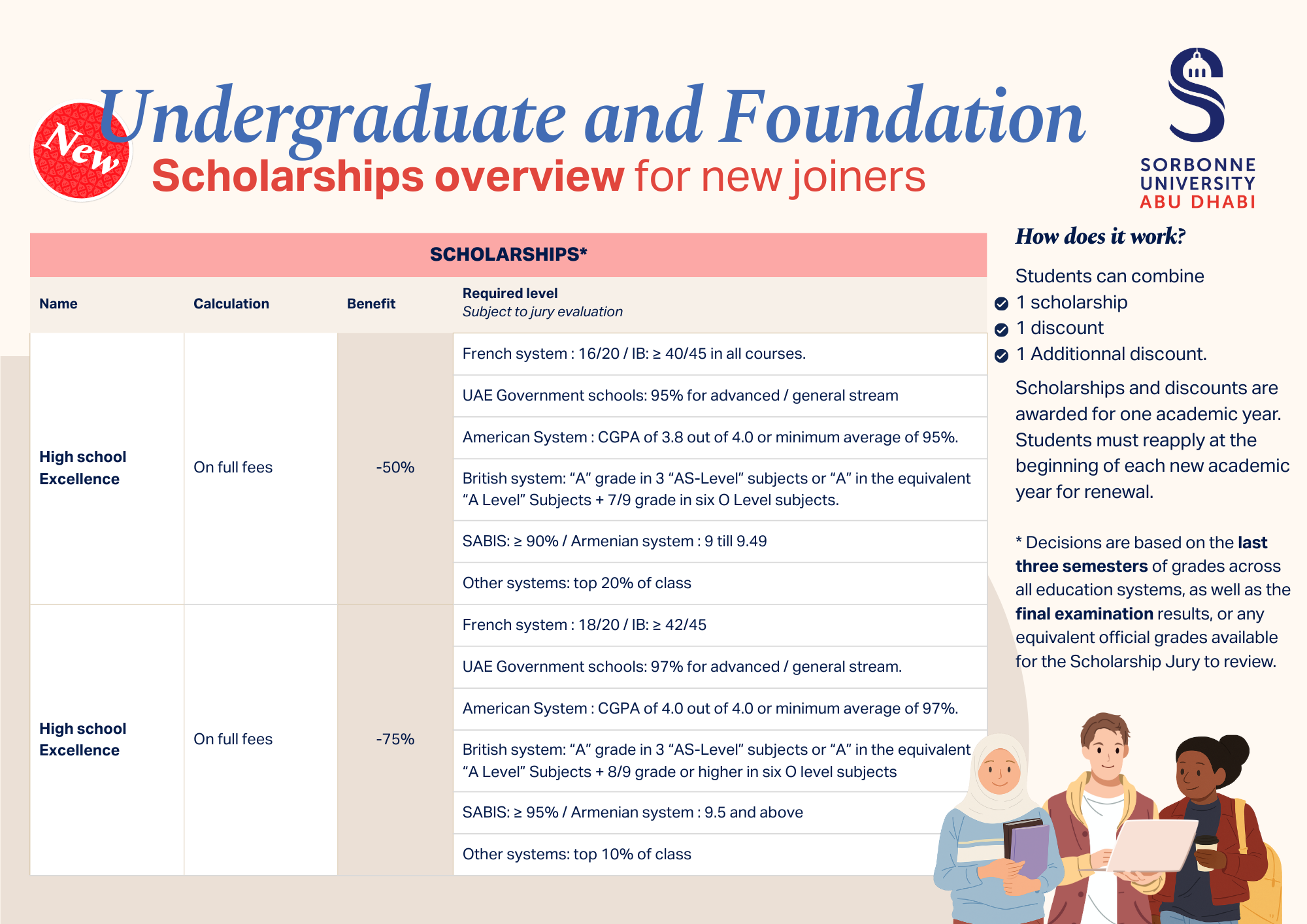
For more information, please visit the Scholarships and Preferential Rates page here.

Bachelor in Physics – Concentration in Quantum Technologies

The Bachelor in Physics, Concentration in Quantum Technologies equips graduates with a broad range of skills to succeed in the rapidly evolving workforce of tomorrow, including Physics, Mathematics, Data Science, Computer Science and Quantum Technologies.


Example of career paths followed by the graduates of this programme: cybersecurity engineer, associate software engineer, radiation quality assurance technologist, business strategy and development executive, data & insights manager, financial analyst, data analyst, project management officer, product manager, quality assurance officer, associate researcher, research assistant, science communicator, event management officer, public relations officer, cognitive trainer.


Research/Academia: Students can pursue Master’s and PhD degrees at eminent educational institutions worldwide (e.g., Sorbonne Université, University of Cambridge, Imperial College London, University College London, King’s College London, Texas A&M University, University of Amsterdam, among others) in fields related to Physics or double majors such as Engineering, Astrophysics, Materials Science, Data Science, Artificial Intelligence, Medical Physics, Computer Science, Cybersecurity, and Quantum Technologies, including Quantum Information, Quantum Computing, Quantum Simulation, Quantum Sensing, and Quantum Cryptography.


For more information, please visit the “Career Prospects” links on the Physics Bachelor page. 

    Below is a non-exhaustive list of available job sectors and career options after a Bachelor’s degree in Physics, depending on graduates’ interests, experience and further studies.  


    Industry, Construction, Buildings and Structures


    • Structural engineer
    • Tunnel engineer
    • Electrical engineer
    • Laser engineer
    • Electro-optic engineer
    • Prototype engineer
    • Maritime engineer


    Energy, Renewable Energy, Climate, Environmental Sciences


    • Petrophysicist
    • Petroleum engineer
    • Nuclear engineer
    • Climate scientist
    • Costal scientist
    • Nuclear fusion scientist
    • Physicist-policy analyst
    • Renewable energy manager
    • Solar energy specialist
    • Weather forecast specialist


    Space Exploration Industries


    • Satellite engineer
    • Astrophysicist
    • Astronomer
    • Space flight director
    • Geophysics – space project scientist


    Healthcare Sciences, Medical & Biomedical Physics Activities


    • Medical engineer
    • Radiophysicist
    • Medical physicist
    • Ultrasound, magnetic resonance, optical imaging specialist
    • Acoustic consultant
    • Clinical scientist
    • Nuclear medicine specialist
    • Radiation protection practitioner
    • Nanoscale imaging scientist


    IT, Telecoms, Engineering Computer Sciences


    • Artificial intelligence software developer
    • Software engineer
    • Computer programmer
    • Web designer/developer
    • IT consultant
    • Systems analyst


    Legal, Business, Finance & Consulting


    • Patent officer (energy, industry, space, tech-innovation)
    • Actuary
    • Business data analyst
    • Consultant (environment/climate regulations)


    Communication, Television, Media, Sports and Games


    • Sound engineer
    • Games designer/developer
    • Technical writer
    • Science journalist, science communicator
    • TV science advisor


    Transport


    • Mechanical engineer
    • Logistics specialist
    • Radar project manager
    • Detection system designer


    Education


    • Academia
    • High school physics, astrophysics teacher
    • High school science teacher
    • Higher education lecturer
    • Lab assistant


    Research & Innovation


    • Quantum technologies: computing, simulation, cryptography, sensing specialist
    • Lab director
    • Senior scientist
    • Data scientist
    • Computer scientist
    • Research/lab technician 

    A wide range of postgraduate study options is available upon completion of a Bachelor’s degree in Physics. Examples of areas of specialisation at the postgraduate level (Master’s and PhD) include:


    • Physics and Applications (i.e., many options offered at Sorbonne Université: https://sciences.sorbonne-universite.fr/formation-sciences/offre-de-formation/masters)
    • Electrical Engineering
    • Mechanical Engineering
    • Chemical Engineering
    • Robotics
    • Water and Environmental Engineering
    • Medical Engineering
    • Computer Science
    • Data Science and AI
    • High Performance Calculation (HPC)
    • Finance and Banking
    • Statistics
    • Healthcare
    • Law
    • Knowledge Management and Innovation
    • Science of the Universe, Environment and Ecology
    • Neurosciences
    • Astronomy and Astrophysics 

    The following non-exhaustive list of institutions is based on SUAD placement records for alumni of the Physics department. 


    • Sorbonne Université (France)
    • University of Cambridge (UK)
    • Imperial College London (UK)
    • King’s College London (UK)
    • EFREI Paris (France)
    • Université Grenoble Alpes (France)
    • Texas A&M University (US)
    • University of Nottingham (UK)
    • La Sapienza (Italy)
    • Universita degli Studi Di Padova (Italy)
    • University of Amsterdam (Netherlands)
    • Masdar Institute for Science and Technology (UAE)


    Postgraduate admission requirements, particularly regarding eligible and relevant undergraduate degrees, vary significantly across countries and higher education institutions. Applicants are advised to consult with the specific admission criteria of each institution. 

    “Studying my undergraduate degree in Physics at Sorbonne University Abu Dhabi gave me a solid background in science, mathematics and critical thinking, enabling me to pursue a career in scientific research and development. During my summers as an undergraduate researcher at NASA’s Jet Propulsion Laboratory, I studied the composition and temperature of Jupiter’s atmosphere by analysing images of the planet taken by the Hubble Space Telescope. During my Master’s degree, I investigated the effects of metals additive manufacturing on widely used aerospace alloys. As a PhD student at Texas A&M University, I am leading a project sponsored by the US Army Research Office to design new alloy systems suited to additive manufacturing. I have also had the opportunity to work at the US Air Force Research Laboratory leading a project on additive manufacturing of a newly developed ultra-high strength steel.”


    Raiyan Seede


    “Sorbonne University Abu Dhabi’s Physics programme offers an excellent opportunity for motivated students to join a community of scientists dedicated to addressing the challenges of today and tomorrow. A BSc degree in Physics is a highly versatile qualification that can be applied across many scientific fields.

    My Bachelor’s degree, which included key modules in Physics, Engineering and Mathematics, equipped me with the skills needed to focus on a field I have long been passionate about. It also led to my acceptance into a prestigious graduate programme in Biomedical Engineering at Imperial College London. I am now able to translate scientific discoveries from our laboratories into the next generation of diagnostic machines for patient use.

    During my postgraduate studies, I conducted research at the Hamlyn Centre for Robotic Surgery and Surgical Guidance.

    Overall, the Department of Physics at Sorbonne University provided me with an exceptional education, lifelong friendships, and early exposure to cutting-edge research.”


    Fadia Trache


    “The Bachelor’s degree in Physics gave me a plethora of critical advantages; a few of them being a strong scientific background both in mathematics and physics, critical thinking, versatility and the ability to quickly assess situations. All of these perks allowed me to establish myself when applying for both internships and additional studies. One of the major points of that degree was ability to experience prestigious internship, such as in multinational companies such as Total and Schneider or acclaimed universities such as New York University. During my NYU internship, I studied astrophysics and the variability of super massive stars to understand how these stars behave through massive data influx and what their surrounding are experiencing. These numerous experiences allowed me to build a professional yet critical demeanour that is highly recognised and looked up by graduate schools. This major was extremely beneficial due to its versatility; it allowed me to go for my dream field, Computer Sciences, and more precisely Cybersecurity. As an engineering student, my distinctive profile enabled me to apply to prestigious institutions such as École Polytechnique (L’X) and CentraleSupélec, while pursuing multiple Master’s degrees simultaneously.”


    Kevin D. Yaker


    For more information, please contact: 

    The Career Centre 

    Tel: +971 (0) 2 656 9104/9342 

    Email: careercentre@sorbonne.ae  

Sustainable Development Goals

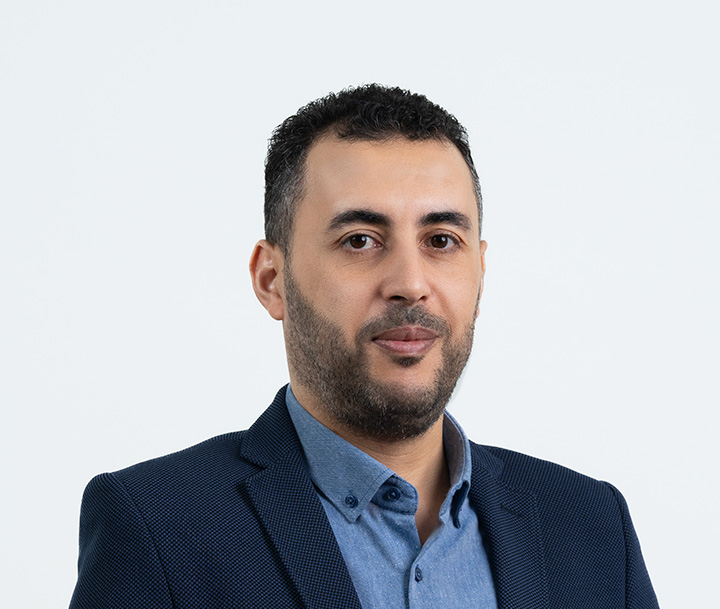
Student Recruiter

Essam Ahmad

Essam Ahmad

Officer - Student Recruitment

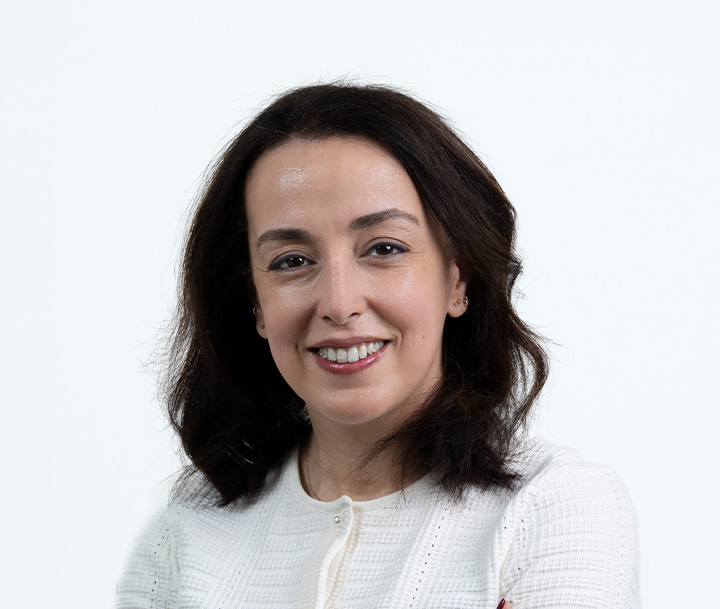
Academic Coordinator

Patricia Chahwane

Patricia Chahwane

Academic Coordinator

School of Data, Science and Engineering

Sorbonne University Abu Dhabi
Sorbonne Université's Global Standing

Shanghai Ranking 2024

Sorbonne University Abu Dhabi
in Mathematics

Shanghai Ranking 2024

Programmes offered by the department

School

Study Programmes

Subscribe to

Our Newsletter

School of Arts and Humanities

Sorbonne University Abu Dhabi Sorbonne University Abu Dhabi

School of Data, Science and Engineering

Sorbonne University Abu Dhabi Sorbonne University Abu Dhabi

School of Law, Economics and Business

Sorbonne University Abu Dhabi Sorbonne University Abu Dhabi
E-Space
Sorbonne University Abu Dhabi

Close

Apply Now